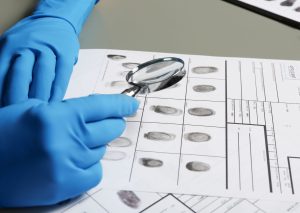
DNA profiling has changed how crimes are investigated. It introduced a level of precision that older identification methods could not achieve. Before genetics entered forensic science, investigators relied heavily on fingerprints, witness statements, and circumstantial evidence. These methods were useful but often incomplete or unreliable. DNA profiling added scientific certainty to criminal investigations. It allows law enforcement to identify individuals based on unique genetic patterns. Over time, it has become one of the most trusted tools in forensic science worldwide.
Why DNA profiling is crucial in modern investigations
Modern investigations often involve complex scenarios. Crimes may have few witnesses or conflicting accounts. In such cases, physical evidence becomes critical. DNA profiling provides a reliable way to connect individuals to crime scenes. Unlike eyewitness testimony, DNA evidence does not rely on memory. It is based on biological facts that are unique to each person. This makes it extremely valuable in both solving crimes and preventing wrongful accusations. It has also played a major role in revisiting old cases that lacked sufficient evidence at the time.
What DNA profiling actually means in forensic science
DNA profiling is a scientific technique used to identify individuals based on their genetic makeup. Every person, except identical twins, has a unique DNA pattern. Forensic scientists analyze specific regions of DNA that vary between individuals. These patterns are then used to create a genetic profile. This profile can be compared with DNA found at crime scenes. The main purpose is identification, not medical analysis. It is different from general DNA testing, which may focus on ancestry or health-related traits.
Historical evolution of DNA profiling
The foundation of DNA profiling began with discoveries in molecular biology during the 20th century. Scientists learned that DNA carries genetic information unique to each individual. In the 1980s, DNA profiling was first used in criminal investigations. One of the earliest cases demonstrated that genetic evidence could confirm or exclude suspects with high accuracy. Over time, technology improved, making DNA analysis faster and more precise. National DNA databases were later introduced, allowing authorities to compare genetic profiles across large populations. This development significantly increased the effectiveness of forensic investigations.
How DNA profiling works step by step
Collection of biological samples
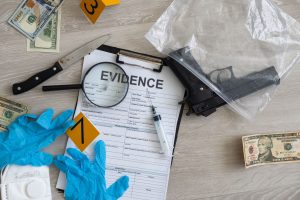
The process begins at the crime scene. Investigators collect biological material such as blood, saliva, skin cells, or hair. These samples must be carefully handled to avoid contamination. Even tiny traces can contain usable DNA. Proper documentation and preservation are essential at this stage.
DNA extraction and purification
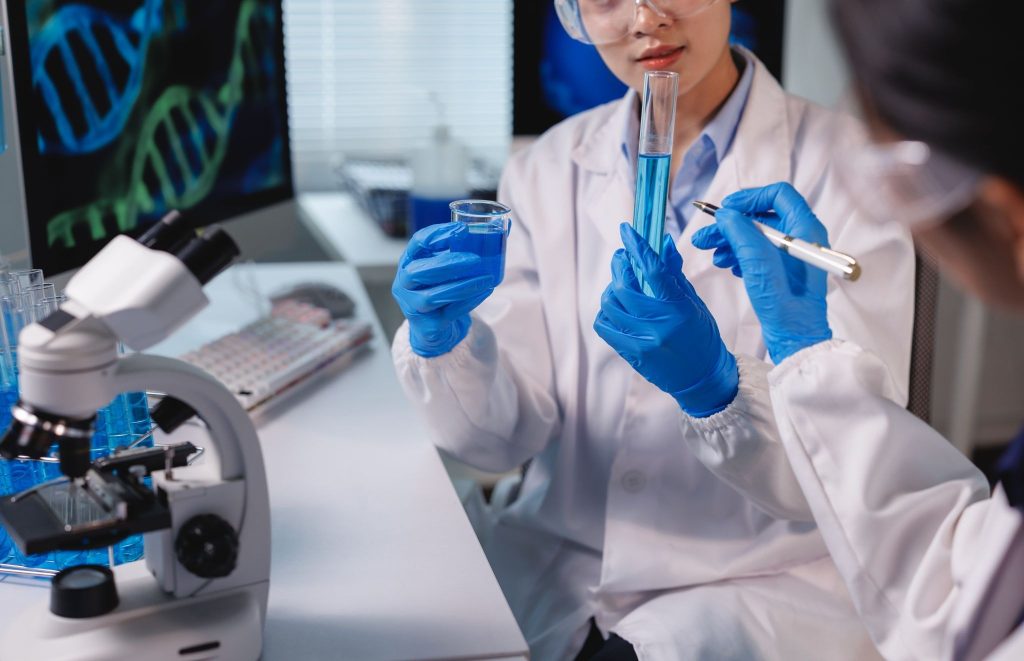
Once samples reach the laboratory, scientists extract DNA from the biological material. This involves breaking down cells and isolating genetic material. The DNA is then purified to remove impurities that could interfere with analysis. This step ensures that only high-quality genetic material is used for profiling.
Amplification using PCR technology
DNA samples from crime scenes are often very small. To analyze them, scientists use a process called Polymerase Chain Reaction (PCR). PCR creates multiple copies of specific DNA regions. This makes it possible to study even trace amounts of genetic material. Without this step, many forensic analyses would not be possible.
STR analysis and genetic comparison
Short Tandem Repeats (STRs) are specific regions of DNA that vary greatly between individuals. Forensic scientists analyze these regions to create a genetic profile. The STR pattern from a crime scene sample is compared with known profiles. If the patterns match, it can strongly suggest that the DNA belongs to a specific individual. The probability of two people sharing the same STR profile is extremely low, making this method highly reliable.
Tools and technologies used in DNA profiling
DNA profiling relies on advanced laboratory tools and technology. PCR machines are used for DNA amplification. Automated sequencers help read genetic information quickly and accurately. Specialized forensic software compares DNA profiles and calculates statistical matches. These tools reduce human error and improve consistency in results. Modern laboratories are highly automated, allowing faster processing of evidence in complex cases.
Applications of DNA profiling in forensic science
Identifying suspects in criminal investigations
One of the most important uses of DNA profiling is suspect identification. DNA found at a crime scene can be matched with individuals in databases or suspects in custody. This helps confirm involvement or rule out individuals during investigations. It provides strong scientific evidence in court.
Exonerating innocent individuals
DNA profiling is not only used to identify criminals. It also plays a major role in proving innocence. In many cases, individuals have been wrongly convicted based on circumstantial evidence. Later DNA testing has helped overturn such convictions. This makes DNA profiling a powerful tool for justice and fairness.
Identifying missing persons and victims
DNA profiling is also used to identify missing persons or victims of disasters. In cases where bodies are unrecognizable, genetic testing can provide answers. It helps families find closure and assists authorities in difficult identification scenarios.
Accuracy and limitations of DNA profiling
DNA profiling is highly accurate, but it is not perfect. When properly conducted, it offers extremely reliable results. However, there are limitations. Contamination of samples can lead to incorrect results. Degraded or incomplete DNA can make analysis difficult. Human error during collection or processing can also affect outcomes. Despite these challenges, strict laboratory standards help maintain accuracy in most cases.
Legal and ethical considerations in DNA profiling
The use of DNA in forensic science raises important legal and ethical questions. One concern is privacy. DNA contains sensitive genetic information, and its storage must be carefully regulated. Another issue is the use of national DNA databases. While they help solve crimes, they also raise concerns about surveillance and data misuse. Ethical guidelines are necessary to ensure that DNA profiling is used responsibly and only for legitimate investigative purposes.
Real-world impact of DNA profiling in criminal justice
DNA profiling has had a major impact on real-world criminal justice systems. It has helped solve high-profile cases that remained unsolved for years. Cold cases have been reopened and resolved due to advancements in DNA technology. Courts rely heavily on DNA evidence when making decisions. In many situations, it has become the key factor in determining guilt or innocence. Its influence continues to grow as technology improves.
Future of DNA profiling in forensic science
The future of DNA profiling is closely linked to technological innovation. Rapid DNA testing is being developed to analyze samples directly at crime scenes. This could significantly reduce investigation time. Advances in genetic sequencing will allow more detailed and faster analysis. Artificial intelligence may also help identify patterns in large DNA datasets. Global DNA databases are expected to expand, improving cross-border crime investigations. These developments will make forensic science even more efficient and powerful.
FAQs
1. What is DNA profiling in simple terms?
DNA profiling is a forensic technique used to identify individuals by analyzing unique patterns in their genetic material.
2. How accurate is DNA profiling in criminal cases?
DNA profiling is extremely accurate when properly conducted, with a very low probability of two unrelated individuals sharing the same profile.
3. What samples are used for DNA profiling?
Common samples include blood, saliva, hair, skin cells, and other biological materials found at crime scenes.
4. Can DNA profiling be wrong?
Errors are rare but possible due to contamination, poor sample quality, or human mistakes during processing or collection.
5. Is DNA profiling used only for criminal investigations?
No, it is also used in identifying missing persons, disaster victims, and in some cases, establishing biological relationships.