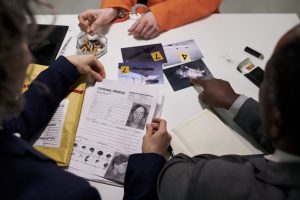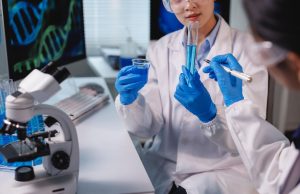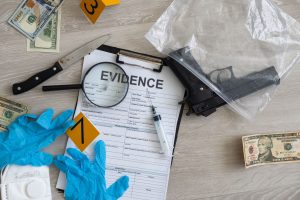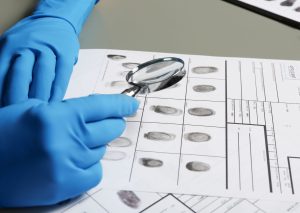
Forensic science has transformed the way criminal investigations are conducted around the world. Decades ago, investigators relied heavily on eyewitness testimony, confessions, and physical observation. Today, science plays a central role in uncovering the truth behind crimes. Modern laboratories, advanced technology, and highly specialized forensic experts can analyze tiny traces of evidence that were once impossible to detect. From DNA sequencing to digital device recovery, forensic analysis techniques now provide investigators with powerful tools capable of solving highly complex cases.
The growing dependence on scientific evidence has also changed courtroom expectations. Judges, attorneys, and juries increasingly expect reliable forensic findings that can support or challenge criminal accusations. This shift has made forensic science one of the most influential areas within modern law enforcement and criminal justice systems. The ability to connect suspects, victims, locations, and timelines through scientific analysis has dramatically improved investigative accuracy while reducing wrongful convictions.
Modern forensic analysis is no longer limited to fingerprints and blood samples. It now includes artificial intelligence, biometric identification, cybercrime investigation, toxicology, facial recognition, and advanced imaging systems. As technology continues evolving, forensic experts are discovering new ways to uncover hidden evidence and reconstruct events with extraordinary precision.
Understanding the Foundation of Forensic Analysis
How Evidence Is Collected and Preserved
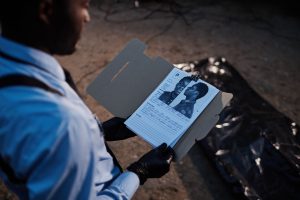
Every forensic investigation begins at the crime scene. The quality of evidence collection often determines whether a case will later succeed in court. Investigators must carefully secure the scene, prevent contamination, and document every detail before evidence is moved or analyzed. Even a small mistake during this stage can compromise an entire investigation.
Photographs, measurements, sketches, and detailed notes help preserve the original condition of the scene. Evidence such as fingerprints, blood samples, fibers, weapons, or digital devices must be packaged correctly to avoid contamination or damage. Chain-of-custody procedures are equally important because they establish who handled the evidence at every stage of the investigation.
Modern forensic teams use specialized tools for collection and preservation. Sterile swabs, ultraviolet lights, chemical reagents, and digital scanning equipment help investigators detect evidence invisible to the naked eye. These procedures ensure that evidence remains reliable during laboratory analysis and courtroom presentation.
Why Accuracy Matters in Forensic Investigations
Accuracy is the foundation of forensic science. Scientific evidence can influence verdicts, sentencing decisions, and public trust in the justice system. Because of this responsibility, forensic analysts must follow strict protocols and quality standards.
Forensic laboratories undergo extensive accreditation and testing procedures to maintain reliability. Analysts are trained to minimize bias and verify results through repeated testing whenever possible. Even advanced technology requires human oversight because interpretation errors can still occur.
The consequences of inaccurate analysis can be severe. Wrongful convictions damage lives and weaken public confidence in law enforcement. At the same time, flawed investigations may allow guilty individuals to remain free. This is why modern forensic science emphasizes precision, transparency, and continuous improvement.
DNA Profiling and Genetic Identification
How DNA Revolutionized Criminal Investigations
DNA profiling remains one of the most significant breakthroughs in forensic science history. Before DNA analysis became widely available, investigators often depended on less precise identification methods. Today, even tiny biological traces can help identify individuals with remarkable accuracy.
Blood, saliva, skin cells, hair roots, and bodily fluids all contain genetic material that can connect suspects to crime scenes. DNA profiling compares genetic markers from evidence with known samples from individuals or databases. This process has helped solve countless violent crimes, missing person cases, and cold cases that remained unsolved for decades.
DNA evidence has also exonerated innocent people. In many wrongful conviction cases, modern genetic testing revealed that earlier assumptions were incorrect. This demonstrates how forensic science can protect justice rather than simply support prosecution.
The Expanding Use of Genetic Databases
National DNA databases have expanded investigative capabilities significantly. When evidence from a crime scene is entered into a database, it may match profiles from previous offenders or unsolved cases. This allows investigators to connect crimes across different locations and time periods.
Familial DNA searching has become another powerful tool. Even if a suspect’s DNA is not directly present in a database, partial matches with relatives may generate valuable investigative leads. This method has contributed to several high-profile criminal identifications in recent years.
Despite these advancements, genetic databases also raise privacy concerns. Critics worry about data security, consent, and the ethical boundaries of large-scale genetic surveillance. Balancing investigative benefits with individual rights remains an ongoing challenge in forensic science.
Fingerprint Examination in Modern Forensics
Traditional Fingerprint Matching Methods
Fingerprint analysis remains one of the oldest and most recognized forensic analysis techniques. Every person has unique fingerprint patterns, making them valuable for identification purposes. Investigators often collect latent fingerprints from surfaces such as glass, metal, plastic, or paper at crime scenes.
Traditional analysis involves comparing ridge patterns, loops, arches, and whorls between unknown prints and known samples. Forensic experts examine minute details called ridge characteristics to determine whether prints match a specific individual.
Although fingerprint evidence has been used for more than a century, modern forensic standards now demand greater scientific rigor and verification. Analysts often work collaboratively to confirm results before presenting findings in court.
Automated Fingerprint Identification Systems
Technology has dramatically accelerated fingerprint analysis through Automated Fingerprint Identification Systems. These systems scan and compare fingerprints against massive digital databases within minutes. Investigators no longer need to manually search thousands of records by hand.
Digital enhancement tools also improve print visibility and quality. Even partial or damaged fingerprints may now produce useful results thanks to advanced imaging software. These improvements have increased both efficiency and investigative accuracy.
Despite technological progress, human expertise remains essential. Automated systems generate possible matches, but trained analysts must still evaluate the evidence carefully before confirming identifications.
Digital Forensic Analysis in the Technology Era
Recovering Data From Computers and Mobile Devices
Modern crimes increasingly involve digital evidence. Smartphones, laptops, cloud accounts, GPS systems, and social media platforms often contain critical information related to criminal activity. Digital forensic experts specialize in recovering and analyzing electronic data.
Deleted messages, browsing history, emails, photographs, and location records can provide investigators with timelines, communication patterns, and behavioral evidence. Advanced software allows analysts to recover files that users believed were permanently erased.
Mobile device forensics has become especially important because smartphones contain enormous amounts of personal information. Investigators may analyze call records, app activity, financial transactions, and metadata to reconstruct events surrounding a crime.
Cybercrime Investigations and Digital Evidence
Cybercrime has expanded rapidly in recent years, creating new challenges for forensic investigators. Hacking, identity theft, ransomware attacks, online fraud, and digital espionage require highly specialized investigative techniques.
Digital forensic experts often trace IP addresses, analyze malware behavior, and investigate network activity to identify cybercriminals. These investigations frequently involve international cooperation because cyberattacks may originate from different countries.
Digital evidence also presents legal challenges. Investigators must obtain proper warrants and follow strict privacy regulations during data collection. Courts increasingly require clear documentation showing how digital evidence was obtained and preserved.
Toxicology and Chemical Analysis Techniques
Detecting Drugs, Alcohol, and Poisonous Substances
Forensic toxicology focuses on identifying chemicals, drugs, alcohol, and toxins within the human body. Toxicologists analyze blood, urine, tissue, and hair samples to determine whether substances contributed to injury, death, or criminal behavior.
This field plays a major role in overdose investigations, impaired driving cases, poisoning incidents, and suspicious deaths. Advanced laboratory instruments can detect extremely small chemical traces with remarkable precision.
Hair analysis is particularly useful because it can reveal long-term drug exposure patterns. Blood testing, meanwhile, often provides insight into recent substance use. Combining multiple testing methods improves investigative accuracy.
The Importance of Laboratory Precision
Toxicology requires extreme laboratory precision because even small measurement errors may affect legal outcomes. Analysts must carefully calibrate equipment and follow strict scientific procedures during testing.
Modern laboratories use technologies such as gas chromatography and mass spectrometry to separate and identify chemical compounds. These methods provide highly detailed chemical fingerprints that help experts determine exactly which substances are present.
Because toxicology findings often influence criminal charges and medical conclusions, forensic laboratories invest heavily in quality control and peer review systems.
Ballistics and Firearm Examination
Matching Bullets and Cartridge Cases
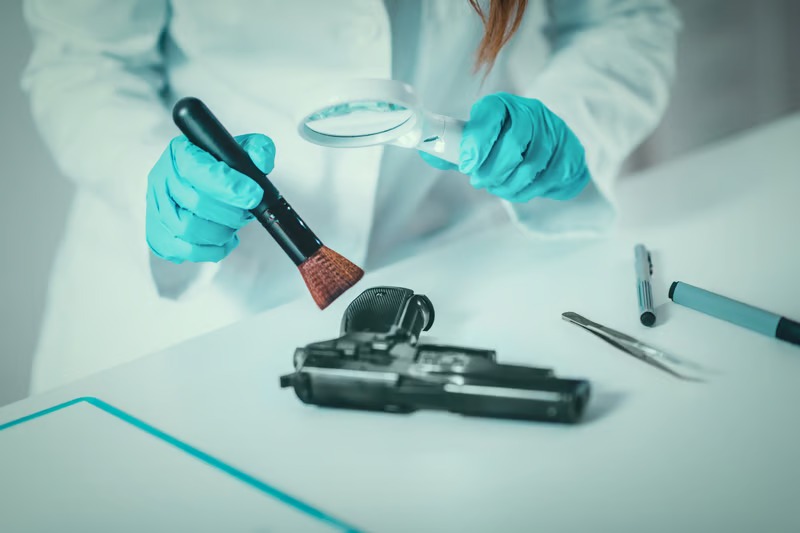
Ballistics experts analyze firearms, bullets, and cartridge cases to determine whether a weapon was used during a crime. Every firearm creates unique microscopic markings on bullets and shell casings when fired. These markings act like mechanical fingerprints.
Investigators compare recovered projectiles with test-fired samples from suspected weapons. Advanced comparison microscopes allow experts to examine fine details and determine whether the markings match.
Firearm analysis also helps determine firing distance, bullet trajectory, and weapon type. These findings often play an important role in homicide investigations and self-defense claims.
Gunshot Residue and Trajectory Analysis
Gunshot residue analysis examines tiny particles released when firearms are discharged. Residue may appear on clothing, skin, or nearby surfaces. Detecting these particles can help investigators determine whether someone recently fired a weapon.
Trajectory analysis reconstructs bullet paths by examining entry points, impact angles, and damage patterns. Investigators use lasers, digital modeling, and scene measurements to recreate shooting events with impressive accuracy.
Together, these techniques help investigators establish timelines and reconstruct violent encounters scientifically.
Bloodstain Pattern Analysis and Crime Scene Reconstruction
Understanding Movement and Impact Patterns
Bloodstain pattern analysis examines the size, shape, and distribution of blood evidence at crime scenes. Different movement patterns create different stain characteristics. By studying these patterns, forensic experts can infer how injuries occurred and how individuals moved during an incident.
High-velocity impacts, dripping blood, cast-off patterns, and transfer stains all provide unique information. Analysts combine physics, biology, and observation skills to interpret the evidence carefully.
Reconstructing Events Through Scientific Observation
Crime scene reconstruction brings together multiple forensic disciplines to create a scientific explanation of what likely occurred during an incident. Analysts examine blood patterns, ballistic evidence, fingerprints, digital timelines, and witness statements collectively.
Advanced software and 3D imaging technologies now allow investigators to recreate crime scenes digitally. These visual reconstructions help investigators, attorneys, and juries understand complex events more clearly.
Forensic Anthropology and Human Identification
Analyzing Skeletal Remains
Forensic anthropologists specialize in analyzing human skeletal remains. Their expertise becomes especially important in cases involving decomposition, disasters, or unidentified remains.
Bones can reveal significant information about a person’s age, biological sex, height, ancestry, and medical history. Anthropologists also examine trauma patterns to determine whether injuries occurred before or after death.
Age, Gender, and Trauma Assessment
Detailed skeletal analysis often helps investigators identify victims when other methods are unavailable. Fractures, surgical implants, dental records, and bone abnormalities may provide important identification clues.
Forensic anthropologists frequently assist during mass casualty incidents, archaeological investigations, and missing person cases. Their work combines scientific expertise with humanitarian importance.
Trace Evidence and Microscopic Investigation
Hair, Fibers, Glass, and Paint Examination
Trace evidence refers to tiny materials transferred during contact between people, objects, or environments. Hair strands, clothing fibers, paint chips, soil particles, and broken glass fragments may appear insignificant but often become critical evidence.
Microscopic analysis allows investigators to compare materials and identify possible connections between suspects and crime scenes. Advances in spectroscopy and chemical testing have greatly improved trace evidence analysis.
How Small Clues Become Critical Evidence
Some criminal cases have been solved through extremely small pieces of evidence overlooked by others. A single fiber or microscopic paint fragment may place a suspect at a specific location or link multiple crimes together.
This highlights an important principle in forensic science. Tiny details often carry enormous investigative value when analyzed carefully and scientifically.
Facial Recognition and Biometric Technologies
AI-Powered Identification Systems
Facial recognition technology has become increasingly important in modern forensic investigations. AI systems analyze facial features and compare images against databases to identify possible matches.
Security cameras, surveillance footage, and digital photographs provide enormous amounts of visual evidence. Automated recognition systems help investigators process this information much faster than manual methods.
Biometric systems also include voice recognition, iris scanning, and gait analysis. These technologies continue expanding forensic identification capabilities.
Ethical Concerns and Accuracy Challenges
Despite their usefulness, biometric technologies raise serious ethical concerns. Critics argue that facial recognition systems may produce biased or inaccurate results under certain conditions.
Privacy advocates also worry about mass surveillance and misuse of biometric data. As these systems become more powerful, governments and legal systems face increasing pressure to establish ethical guidelines and oversight standards.
The Role of Artificial Intelligence in Modern Forensics
Predictive Analysis and Pattern Recognition
Artificial intelligence is reshaping forensic science by improving speed, pattern detection, and analytical efficiency. AI systems can analyze large amounts of evidence much faster than humans alone.
Machine learning algorithms help identify patterns in fingerprints, DNA data, digital records, and surveillance footage. Predictive systems may also assist investigators by identifying behavioral patterns linked to criminal activity.
Faster Evidence Processing Through Automation
Automation reduces laboratory workloads and helps investigators process evidence more efficiently. This is especially important because many forensic laboratories face significant evidence backlogs.
AI-driven systems can organize case files, prioritize evidence, and assist with repetitive analytical tasks. However, human oversight remains essential to ensure ethical decision-making and accurate interpretation.
Challenges Facing Modern Forensic Laboratories
Evidence Backlogs and Resource Limitations
Despite technological advancements, many forensic laboratories struggle with heavy workloads and limited funding. Evidence backlogs can delay investigations for months or even years.
DNA testing delays are particularly common because laboratories often receive more evidence than they can process quickly. Staffing shortages and outdated equipment further complicate the situation.
Avoiding Human Error in Investigations
Human error remains one of the biggest challenges in forensic science. Confirmation bias, procedural mistakes, and inconsistent standards can affect investigative outcomes.
Modern forensic organizations now emphasize continuous training, blind testing procedures, and peer review systems to reduce these risks. Improving scientific transparency remains a major priority across the industry.
Expert Advice for Students Interested in Forensic Science
Students interested in forensic science should focus on building strong foundations in biology, chemistry, mathematics, and critical thinking. Scientific curiosity and attention to detail are essential qualities for success in this field.
Experts also encourage students to develop communication skills because forensic professionals often present findings in courtrooms and collaborate with investigators, attorneys, and medical experts. Internships, laboratory experience, and specialized certifications can provide valuable practical exposure.
Technology continues changing the field rapidly, so lifelong learning is extremely important. Students who remain adaptable and technologically skilled will likely find strong career opportunities within forensic science.
The Future of Forensic Analysis Techniques
The future of forensic science will likely involve even greater integration of artificial intelligence, automation, and advanced biotechnology. Portable forensic devices may allow investigators to analyze evidence directly at crime scenes with real-time results.
DNA sequencing technology is becoming faster and more affordable, potentially transforming investigative timelines. Digital forensics will continue expanding as societies become increasingly dependent on connected devices and online systems.
Virtual reality crime scene reconstruction, AI-driven pattern analysis, and advanced biometrics may redefine investigative methods over the next decade. At the same time, ethical oversight and scientific accountability will remain essential to maintaining public trust.
Conclusion
Modern forensic analysis techniques have transformed criminal investigations into highly scientific processes capable of uncovering truth with extraordinary precision. From DNA profiling and digital evidence recovery to toxicology and artificial intelligence, forensic science continues pushing the boundaries of investigative capability.
The field combines technology, biology, chemistry, physics, and analytical thinking to solve crimes and protect justice. While challenges such as resource limitations and ethical concerns remain, ongoing innovation continues strengthening forensic reliability and efficiency.
As society evolves and technology advances, forensic science will likely become even more influential within global justice systems. The future promises faster analysis, smarter investigative tools, and deeper scientific insight into criminal behavior and evidence interpretation.
FAQs
What are the most common forensic analysis techniques used today?
Some of the most widely used forensic analysis techniques include DNA profiling, fingerprint analysis, digital forensics, toxicology testing, firearm examination, bloodstain pattern analysis, and trace evidence investigation. These methods help investigators identify suspects, reconstruct events, and support courtroom evidence.
How accurate is DNA evidence in criminal investigations?
DNA evidence is considered highly accurate when collected and analyzed correctly. Modern DNA profiling can identify individuals with extremely high precision. However, contamination, improper handling, or interpretation errors may still affect reliability if procedures are not followed carefully.
Can digital forensic evidence be used in court?
Yes, digital forensic evidence is commonly used in court cases involving cybercrime, fraud, communication records, and criminal investigations. Investigators must follow proper legal procedures during collection and preservation to ensure the evidence remains admissible in court.