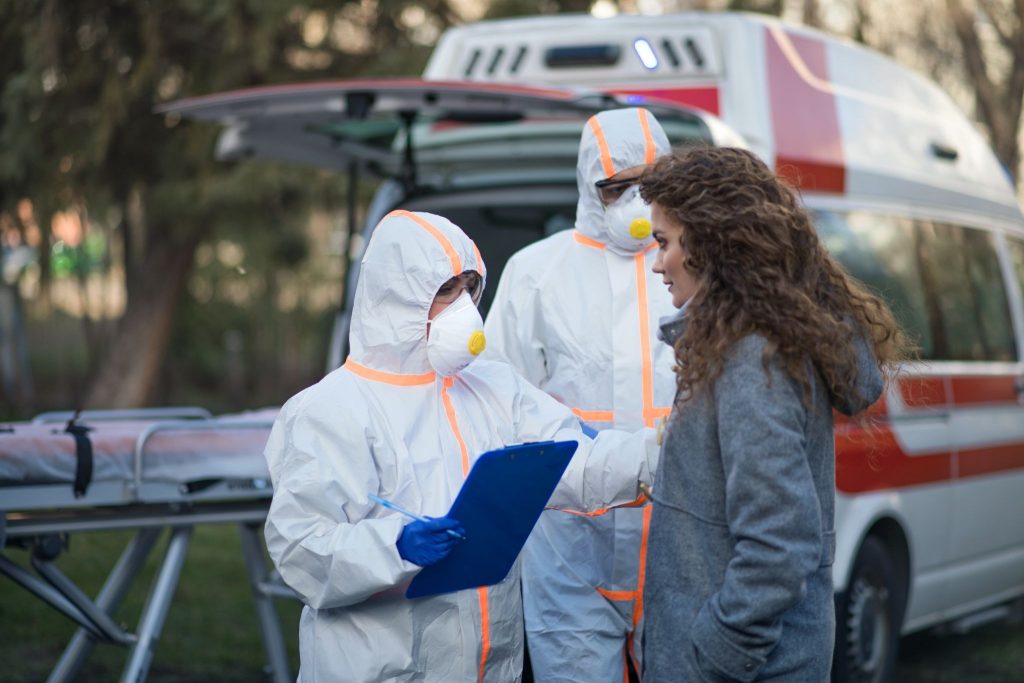
Mass disaster response is one of the most demanding areas in emergency medicine. It requires speed, coordination, and constant decision-making under pressure. When a large-scale incident occurs, medical teams must shift instantly from routine care to crisis mode. The number of patients can exceed available resources within minutes. In these moments, success depends on preparation, communication, and disciplined execution. Medical response is not just about treating injuries. It is about managing chaos in a structured way that saves as many lives as possible.
Why an organized mass disaster response is essential
Without a structured response, even well-equipped systems can fail. Disorganization leads to delays, duplication of effort, and missed priorities. In mass disasters, time directly affects survival rates. A few minutes can determine whether a patient lives or dies. An organized response ensures that the most critical patients receive immediate attention. It also helps distribute resources efficiently. Medical teams rely on predefined protocols to guide their actions. These protocols reduce confusion and allow responders to act quickly and confidently.
What defines an effective mass disaster response
An effective mass disaster response is built on clear objectives. The primary goal is to save as many lives as possible. This often requires shifting focus from individual care to population-level outcomes. Speed is critical, but accuracy cannot be ignored. Decisions must balance urgency with medical judgment. Another defining feature is adaptability. No two disasters are the same. Medical teams must adjust their approach based on the situation. Flexibility, combined with strong leadership, is essential for effective response.
Activation of emergency response systems
The response begins with early recognition of the disaster. Emergency services receive alerts through calls, sensors, or monitoring systems. Once the scale is identified, emergency operation centers are activated. These centers coordinate the overall response. Medical teams are mobilized, and additional resources are requested. Hospitals prepare to receive large numbers of patients. Communication networks are established to ensure that all agencies are aligned. This initial phase sets the tone for the entire response.
Initial on-site medical response
Scene safety and rapid assessment
The first priority at any disaster scene is safety. Responders must ensure that the environment is secure before providing care. Hazards such as fire, structural damage, or hazardous materials can put both victims and responders at risk. Once safety is established, teams conduct a rapid assessment of the situation. They identify the number of victims, types of injuries, and immediate needs.
Establishing triage zones
Triage zones are set up to organize patient flow. These areas allow medical teams to categorize patients based on injury severity. Clear zones prevent overcrowding and confusion. They also help ensure that resources are directed where they are most needed.
Immediate life-saving interventions
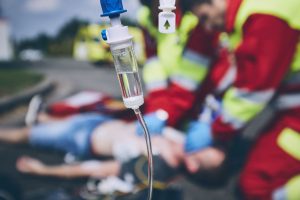
At this stage, medical teams focus on critical interventions. These include controlling bleeding, opening airways, and stabilizing vital signs. The goal is not to provide complete treatment but to prevent death. Quick, decisive action is essential.
Triage strategies in mass disaster response
Triage is the backbone of mass disaster response. It involves prioritizing patients based on urgency and likelihood of survival. Patients are typically grouped into categories such as critical, serious, minor, and deceased. This system allows medical teams to allocate limited resources effectively. Triage is not a one-time process. Patients are reassessed as conditions change. This dynamic approach ensures that care remains aligned with evolving needs.
Coordination between medical and rescue teams
Mass disaster response requires close coordination between multiple agencies. Medical teams work alongside fire services, police, and rescue units. Each group has a specific role, but all must operate as a single system. Communication is key. Clear information sharing prevents duplication and ensures efficiency. Incident command systems are often used to manage operations. These systems establish a clear chain of command and define responsibilities. Strong coordination improves response speed and effectiveness.
Hospital preparedness and surge capacity
Expanding treatment areas
Hospitals must quickly adapt to increased patient volume. This may involve converting non-medical spaces into treatment areas. Hallways, conference rooms, and temporary structures can be used to accommodate patients. Flexibility is critical.
Managing staff and workload
Medical staff must be organized to handle increased demand. Additional personnel are called in, and shifts are extended. Teamwork becomes essential as workloads intensify. Clear communication helps prevent burnout and errors.
Resource allocation under pressure
Supplies such as medications, equipment, and protective gear must be carefully managed. Shortages are common in mass disasters. Decisions must prioritize patients with the highest chance of survival. This requires both clinical judgment and ethical consideration.
Use of technology in mass disaster response
Technology plays an increasingly important role in disaster response. Real-time data systems help track patients and resources. Digital tools allow teams to share information quickly. Telemedicine can provide remote support when specialists are not on-site. Drones and imaging systems assist in assessing damage and locating victims. Technology improves efficiency and supports decision-making under pressure.
Psychological support during disaster response
Mass disasters affect more than physical health. Victims often experience trauma, fear, and confusion. Medical teams must address these emotional needs alongside physical injuries. Psychological support begins at the scene and continues through recovery. Healthcare workers also face significant stress. Long hours and exposure to traumatic events can impact mental health. Support systems are essential to maintain resilience and effectiveness.
Challenges in mass disaster response
Mass disaster response is filled with challenges. Infrastructure damage can limit access to affected areas. Communication systems may fail, making coordination difficult. Resource shortages force difficult decisions about care prioritization. Ethical dilemmas are common. Medical teams must decide how to allocate limited resources in a way that maximizes survival. These challenges require strong leadership, training, and adaptability.
Post-response recovery and evaluation
Once the immediate crisis is over, the focus shifts to recovery. Patients continue to receive treatment, and systems begin to return to normal operations. Evaluation is a critical part of this phase. Teams review what worked and what did not. This process helps identify areas for improvement. Lessons learned are used to update protocols and training programs. Continuous improvement strengthens future responses.
Future improvements in mass disaster response
The future of mass disaster response lies in innovation and preparation. Advanced simulation training allows teams to practice realistic scenarios. Artificial intelligence may help predict resource needs and optimize response strategies. Improved communication systems will enhance coordination. Global collaboration is also increasing, allowing countries to share knowledge and resources. These developments will make responses faster, more efficient, and more effective.
FAQs
1. What is mass disaster response in emergency medicine?
Mass disaster response refers to the coordinated medical effort to manage large-scale emergencies where casualties exceed available resources, requiring triage and rapid decision-making.
2. Why is triage important in mass disasters?
Triage ensures that limited medical resources are used effectively by prioritizing patients based on injury severity and survival chances, maximizing the number of lives saved.
3. How do hospitals handle sudden patient surges?
Hospitals activate surge plans, expand treatment areas, call in additional staff, and prioritize care to manage the sudden increase in patients during disasters.
4. What role does technology play in disaster response?
Technology supports real-time communication, patient tracking, remote consultations, and data analysis, improving coordination and efficiency during emergency situations.
5. What are the biggest challenges in mass disaster response?
Key challenges include limited resources, damaged infrastructure, communication breakdowns, and ethical decisions about prioritizing patient care under extreme conditions.