Missing persons cases are often defined by uncertainty. There may be no witnesses, no clear crime scene, and limited physical evidence. In such situations, forensic science becomes a critical tool. It helps investigators move beyond guesswork and focus on measurable data. Forensic science missing persons investigations rely on detailed analysis, scientific methods, and careful reconstruction of events. The goal is not only to locate the missing individual but also to understand what happened. This approach is especially important in complex or long-term cases where traditional methods are not enough.
Why forensic science is critical in missing persons cases
Unlike other criminal investigations, missing persons cases may begin without clear evidence of a crime. A person may have disappeared voluntarily, accidentally, or due to foul play. This ambiguity creates challenges for investigators. Forensic science helps narrow down possibilities. It provides objective information that can confirm or rule out different scenarios. In long-term cases, physical evidence may degrade over time. Forensic techniques allow investigators to recover and analyze even limited traces. This makes it possible to revisit older cases and uncover new leads. Without forensic science, many cases would remain unresolved.
What forensic science missing persons investigations involve
Forensic science in missing persons investigations is not limited to laboratory work. It is an integrated process that combines field investigation, evidence collection, and scientific analysis. Investigators work closely with forensic experts to examine physical and biological materials. These materials are then analyzed to extract meaningful information. The process often involves collaboration between multiple disciplines, including biology, chemistry, anthropology, and digital forensics. This interdisciplinary approach allows investigators to build a more complete picture of the case.
Types of forensic evidence used in missing persons cases
Biological evidence and DNA analysis
Biological evidence is one of the most valuable forms of forensic data. DNA can be extracted from blood, hair, skin cells, or other biological materials. In missing persons cases, family members may provide DNA samples for comparison. This helps identify unknown individuals or remains. DNA analysis is especially useful in cases where visual identification is not possible.
Trace evidence and environmental indicators
Trace evidence includes small materials such as fibers, soil, or plant particles. These elements may seem insignificant, but they can provide important clues. For example, soil found on clothing may indicate a specific location. Environmental evidence helps investigators understand where the individual may have been.
Personal belongings and material analysis
Objects left behind can reveal patterns of behavior. Clothing, bags, or personal items are examined for signs of wear, damage, or unusual markings. These details can suggest whether the disappearance was voluntary or involved external factors.
Role of forensic teams at potential crime scenes
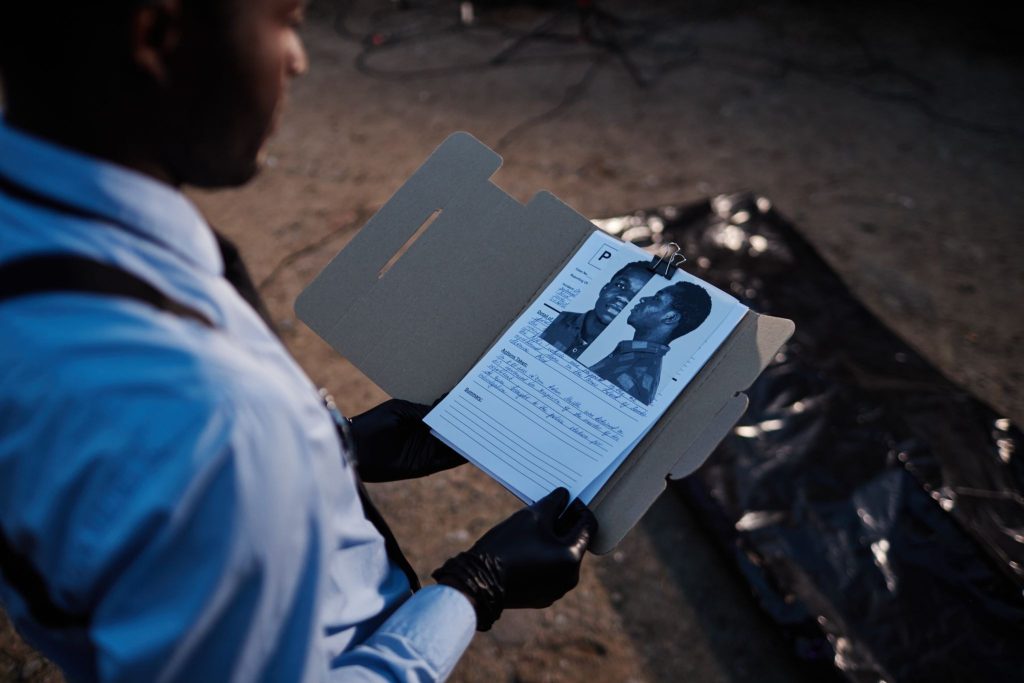
When a potential crime scene is identified, forensic teams play a crucial role. They secure the area to prevent contamination and document everything in detail. Photographs, sketches, and measurements are used to capture the scene accurately. Evidence is collected systematically and preserved for analysis. Even small details, such as disturbed ground or unusual object placement, can provide valuable information. The work done at this stage often determines the success of the entire investigation.
How forensic science helps reconstruct events
One of the most important contributions of forensic science is reconstruction. Investigators use evidence to build a timeline of events. This includes determining when and where the person was last seen. Patterns of movement can be inferred from physical and digital evidence. By combining different data points, investigators can create a sequence of actions. This helps identify possible scenarios and narrow down search areas. Reconstruction is especially important in cases with limited direct evidence.
Use of forensic databases in missing persons investigations
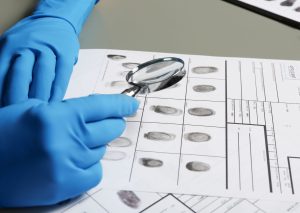
Databases play a key role in modern forensic investigations. DNA databases allow authorities to compare genetic profiles with unidentified remains. Fingerprint databases can help identify individuals when prints are available. Dental records are also used in identification, especially in cases involving skeletal remains. These databases are often shared across regions and countries. This increases the chances of finding matches in cross-border cases. Efficient data sharing is essential for solving complex investigations.
Forensic anthropology and identification methods
Analysis of skeletal remains
When remains are discovered, forensic anthropologists analyze bones to determine identity. They examine features such as bone structure, injuries, and signs of disease. This helps establish basic information about the individual.
Estimation of age, gender, and origin
Anthropologists can estimate age, biological sex, and sometimes geographic origin based on skeletal features. This information is used to narrow down possible identities. It is particularly useful when no other identifying information is available.
Digital forensics in missing persons cases
Digital evidence has become increasingly important. Mobile phones, computers, and online accounts provide valuable data. Investigators analyze call records, messages, and location data. Social media activity can reveal recent interactions and intentions. GPS data helps track movements before the disappearance. Digital forensics allows investigators to follow a virtual trail, even when physical evidence is limited. This is especially useful in modern cases where individuals leave extensive digital footprints.
Challenges in applying forensic science to missing persons
Despite its advantages, forensic science faces several challenges. Evidence may be degraded due to environmental conditions. Time delays can reduce the quality of biological samples. In some cases, there may be very little evidence to analyze. Another challenge is interpreting complex data. Mixed DNA samples or incomplete information can make conclusions difficult. Resource limitations and jurisdictional issues can also affect investigations. These challenges require expertise, patience, and continuous improvement in forensic methods.
Real-world applications of forensic science missing persons investigations
Forensic science has played a key role in solving real-world missing persons cases. Cold cases that remained unsolved for years have been reopened using advanced DNA techniques. Disaster victim identification relies heavily on forensic methods to match remains with families. In cross-border cases, international cooperation and shared databases help locate missing individuals. These applications demonstrate the practical impact of forensic science in bringing answers to families and investigators.
Future developments in forensic science for missing persons
The future of forensic science is driven by technological innovation. Advanced DNA sequencing will allow faster and more accurate identification. Rapid testing methods may provide results directly at search sites. Artificial intelligence can assist in analyzing large datasets and identifying patterns. Improved global data sharing will enhance cooperation between countries. These developments will make missing persons investigations more efficient and increase the chances of successful outcomes.
Conclusion
Forensic science has become an essential part of missing persons investigations. It provides the tools needed to analyze evidence, reconstruct events, and identify individuals. While challenges remain, ongoing advancements continue to improve its effectiveness. The integration of science, technology, and collaboration is transforming how these cases are handled. As methods evolve, forensic science will play an even greater role in finding answers and bringing resolution to missing persons cases.