
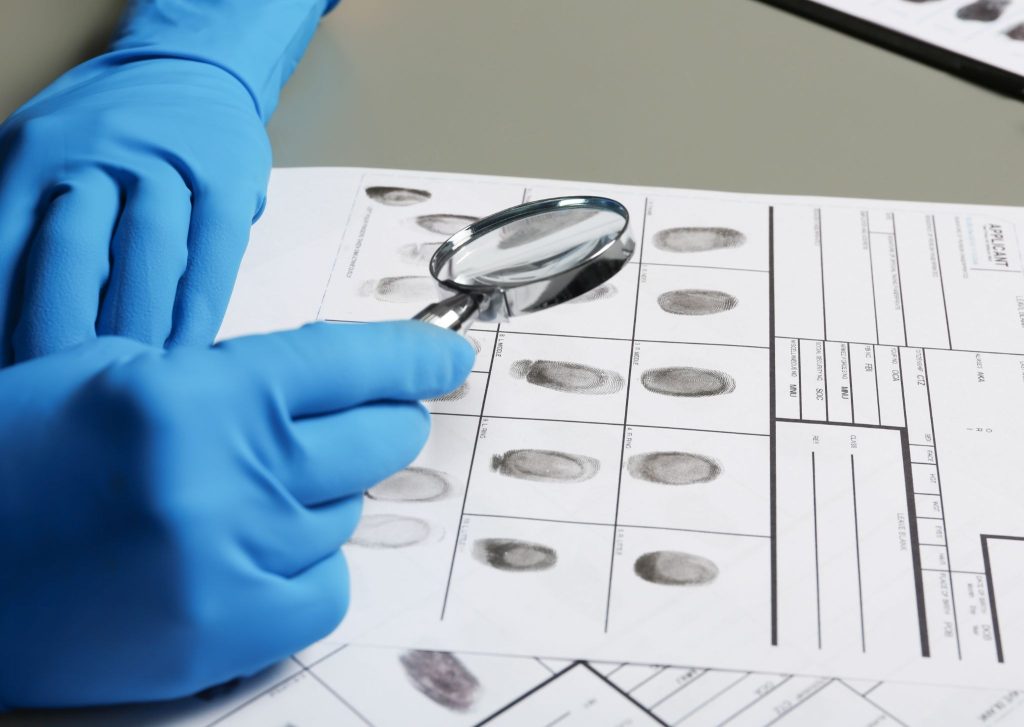
Modern crime-solving is no longer based only on intuition or witness statements. It is increasingly driven by science. Forensic analysis sits at the center of this transformation. It helps investigators move from assumptions to evidence-based conclusions. Complex crime cases often involve multiple suspects, unclear timelines, or hidden motives. In such situations, traditional methods are not enough. Scientific investigation provides structure, clarity, and objectivity. It turns fragmented clues into a coherent picture of what likely happened.
Why complex crime cases require forensic analysis
Complex crimes are difficult to solve because they rarely leave a straightforward trail. Evidence may be scattered, hidden, or deliberately destroyed. In many cases, there are multiple crime scenes or overlapping events. Witness accounts may conflict or be unreliable. This is where forensic analysis becomes essential. It provides measurable, verifiable data that does not depend on memory or interpretation alone. Modern crimes such as cybercrime, organized crime, and financial fraud are especially dependent on forensic methods because they involve technical or invisible evidence.
What forensic analysis means in complex investigations
Forensic analysis is the scientific examination of evidence to support criminal investigations. In complex cases, it goes beyond basic identification. It involves interpreting large sets of physical, biological, and digital data. The goal is not only to find evidence but to understand how different pieces of evidence relate to each other. Unlike simple investigations, complex cases require integration of multiple disciplines. Biology, chemistry, physics, and computer science often work together to build a complete understanding of events.
Core principles behind forensic analysis in crime solving
Forensic science relies on strict principles to ensure accuracy and fairness. One of the most important is objectivity. Investigators must rely on evidence, not assumptions. Another key principle is chain of custody, which ensures that evidence is not altered or contaminated during handling. Every piece of evidence must be traceable from the crime scene to the courtroom. Scientific validation is also essential. Methods used in forensic analysis must be repeatable and tested. These principles ensure that findings are reliable and legally acceptable.
Key forensic disciplines used in complex cases
Biological and DNA-based analysis
DNA analysis is one of the most powerful tools in forensic science. It allows investigators to identify individuals with high accuracy. In complex cases, even small biological traces can become crucial evidence. Blood, skin cells, or hair samples can link suspects to crime scenes or victims. DNA evidence is especially valuable because it is highly specific and difficult to dispute when properly collected.
Trace and physical evidence examination
Trace evidence includes small materials such as fibers, soil, glass, or paint particles. These materials can connect people, objects, and locations. In complex investigations, trace evidence helps establish contact between suspect and crime scene. Even microscopic materials can provide strong investigative leads when analyzed carefully.
Digital and cyber forensic methods
Digital forensics plays a major role in modern investigations. It involves recovering and analyzing data from electronic devices. This includes smartphones, computers, servers, and cloud systems. Investigators can retrieve deleted messages, track online activity, and analyze communication patterns. In cybercrime cases, digital evidence is often the primary source of truth.
Behavioral and forensic psychology input
In some complex cases, understanding behavior is just as important as physical evidence. Forensic psychology helps analyze criminal patterns and motivations. It can assist in building suspect profiles or predicting future actions. While not definitive on its own, behavioral analysis adds valuable context to physical findings.
Step-by-step role of forensic analysis in investigations
Forensic analysis follows a structured process in complex crime cases. First, the crime scene is documented in detail using photography, sketches, and notes. This ensures that no information is lost. Next, evidence is carefully collected and preserved to avoid contamination. After collection, samples are sent to specialized laboratories for testing and analysis. Scientists then interpret the results and look for connections between different pieces of evidence. Finally, findings are compiled into reports that are used in legal proceedings. Each step must be precise to maintain the integrity of the investigation.
How forensic analysis reconstructs complex crime scenarios
One of the most important roles of forensic analysis is reconstruction. Investigators use evidence to rebuild the sequence of events. This includes determining timing, movement, and interaction between individuals. By combining multiple types of evidence, forensic experts can create a timeline of what likely happened. This is especially important in complex cases where direct witnesses are missing or unreliable. Reconstruction also helps identify inconsistencies in suspect statements.
Advanced technologies improving forensic analysis
AI-assisted evidence processing
Artificial intelligence is increasingly used to analyze large datasets in forensic science. AI can detect patterns, highlight anomalies, and speed up data processing. This is especially useful in digital investigations where large volumes of information must be reviewed.
3D crime scene reconstruction
Modern forensic teams use 3D modeling to recreate crime scenes digitally. This allows investigators and courts to visualize events more clearly. It improves understanding of spatial relationships and movement during incidents.
Advanced DNA sequencing tools
New DNA technologies allow faster and more detailed genetic analysis. Even degraded samples can sometimes be processed successfully. This increases the chances of solving older or complex cases.
Real-world applications in complex crime investigations
Forensic analysis is widely used in real-world cases. Serial crime investigations rely heavily on linking evidence across multiple incidents. Cybercrime cases depend on digital traces to identify attackers. Financial crimes use forensic accounting and data analysis to track illegal transactions. Cold cases are often reopened when new forensic techniques become available. In many situations, previously unsolved cases are resolved due to advancements in forensic science.
Challenges faced in forensic analysis
Despite its effectiveness, forensic analysis faces several challenges. Evidence contamination is a major risk, especially at crime scenes. Even small mistakes in handling can affect results. Interpretation errors can also occur when data is complex or incomplete. In digital investigations, the volume of data can be overwhelming. Another challenge is legal admissibility, as not all forensic methods are accepted equally in every jurisdiction. These challenges require continuous training and strict procedures.
How forensic analysis supports justice systems
Forensic analysis plays a critical role in ensuring justice. It strengthens prosecution cases by providing scientific evidence. At the same time, it can protect innocent individuals by disproving false accusations. Courts rely on forensic experts to explain technical findings in understandable terms. This helps judges and juries make informed decisions. In many cases, forensic evidence becomes the deciding factor in verdicts.
Future developments in forensic science
The future of forensic analysis is closely tied to technology. Machine learning will further improve pattern recognition in complex datasets. Real-time analytics may allow faster crime scene interpretation. Cross-border forensic databases could improve international crime solving. Automation will reduce manual workload in laboratories. These advancements will make forensic investigations faster, more accurate, and more connected globally.
Conclusion
Forensic analysis has become essential in solving complex crime cases. It transforms scattered evidence into structured, reliable information. By combining multiple scientific disciplines, it helps reconstruct events and identify responsible individuals. While challenges still exist, ongoing technological progress continues to improve its accuracy and reach. In modern justice systems, forensic science is no longer optional. It is a fundamental tool for ensuring truth, accountability, and fairness.
FAQs
1. What is forensic analysis in simple terms?
Forensic analysis is the scientific examination of evidence from crime scenes to understand what happened and support criminal investigations with objective data.
2. How does forensic analysis help solve complex crimes?
It combines physical, biological, and digital evidence to reconstruct events and identify suspects in cases where traditional investigation methods are insufficient.
3. What types of evidence are used in forensic analysis?
Common evidence includes DNA, fingerprints, trace materials, digital data, and chemical substances collected from crime scenes or related environments.
4. Can forensic analysis always solve a crime?
No, but it significantly improves investigation accuracy. Success depends on evidence quality, proper handling, and available technology for analysis.
5. Is forensic evidence always accepted in court?
Not always. It must follow strict legal standards, proper procedures, and scientific validation to be considered admissible in court proceedings.