Criminal investigations today rely heavily on science rather than assumptions. Forensic analysis plays a central role in this shift. It allows investigators to examine physical, biological, and digital evidence in a structured way. Instead of depending only on eyewitness accounts, modern justice systems use measurable data. This improves accuracy and reduces uncertainty. Forensic science has become a bridge between law enforcement and scientific research. It helps reconstruct events and identify responsible individuals with higher confidence.
Why forensic analysis is essential in today’s justice system
The justice system depends on reliable evidence. Human memory is often incomplete or biased. Forensic analysis provides objective data that supports or challenges witness statements. This makes investigations more accurate and fair. Over time, policing has moved from intuition-based decisions to evidence-based reasoning. Forensic science ensures that conclusions are backed by measurable proof. It also increases public trust in legal systems. When decisions are based on scientific methods, the risk of wrongful accusations is reduced significantly.
What forensic analysis actually means in practice
Forensic analysis refers to the scientific examination of evidence collected from crime scenes. It is used to answer questions like what happened, how it happened, and who was involved. Unlike general investigation methods, forensic work follows strict scientific procedures. It focuses on accuracy, repeatability, and documentation. The main goal is to convert physical evidence into usable information for legal proceedings. This includes analyzing substances, patterns, biological samples, and digital data.
Historical development of forensic analysis
Forensic science has evolved significantly over time. In early investigations, crime solving relied mostly on observation and witness testimony. As science advanced, investigators began using fingerprints and chemical tests. The introduction of microscopy and photography improved evidence documentation. Later, DNA analysis revolutionized forensic work by enabling precise identification. Landmark criminal cases demonstrated the value of scientific evidence in court. Today, forensic analysis is a highly specialized field combining biology, chemistry, physics, and computer science.
Main types of forensic analysis used in investigations
DNA and biological evidence analysis
DNA analysis is one of the most powerful tools in forensic science. It allows investigators to identify individuals based on biological samples like blood, hair, or saliva. Even small traces of DNA can provide strong evidence. This method is highly accurate and widely used in criminal investigations. It can confirm suspects’ presence at a crime scene or exclude innocent individuals.
Fingerprint and trace evidence analysis
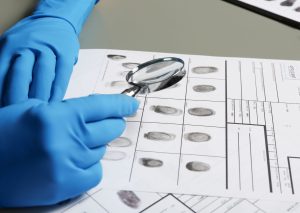
Fingerprint analysis is based on the uniqueness of human fingerprint patterns. Investigators compare prints found at crime scenes with known records. Trace evidence includes small materials like fibers, soil, or glass fragments. These materials can link suspects to specific locations or objects. Although small, they can provide critical investigative clues.
Digital forensic analysis
Digital forensics focuses on electronic devices such as smartphones, computers, and storage drives. Investigators recover deleted files, analyze communication records, and trace online activity. This type of forensic analysis is increasingly important due to the rise of digital communication. It helps uncover cybercrimes, fraud, and hidden connections between suspects.
Toxicology and chemical examination
Toxicology involves analyzing biological samples to detect drugs, poisons, or chemicals. It is often used in cases involving suspicious deaths or overdoses. Chemical analysis can also identify substances found at crime scenes. These findings help determine cause of death or exposure to harmful materials.
Step-by-step process of a forensic investigation
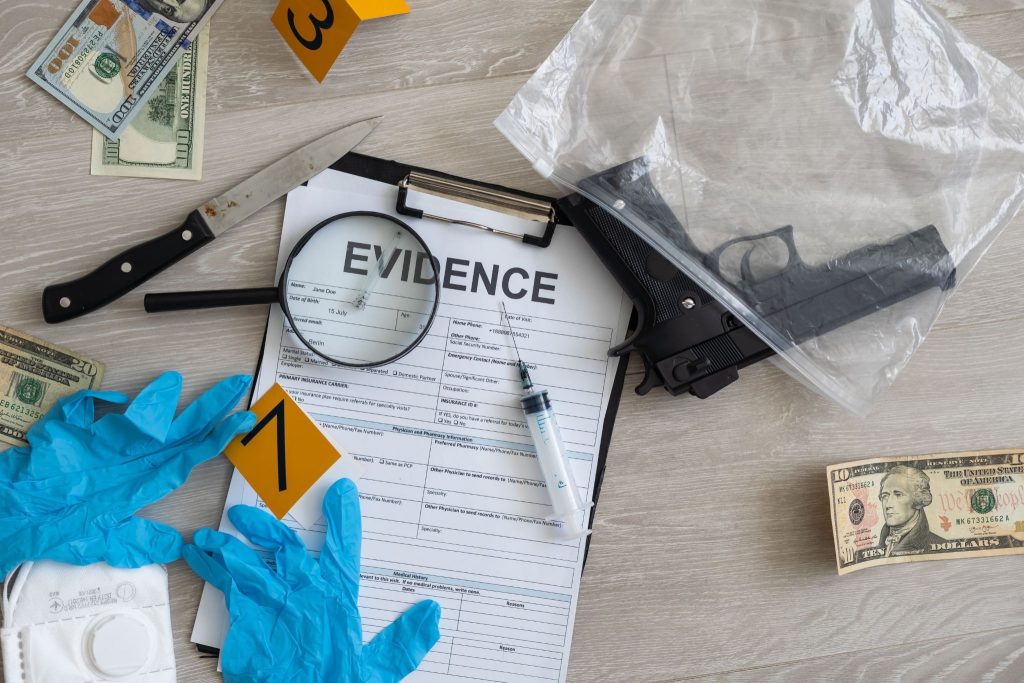
Forensic investigations follow a structured process to ensure accuracy. First, the crime scene is secured to prevent contamination. Then, evidence is carefully collected and documented. Each item is labeled and preserved for analysis. After collection, samples are sent to laboratories for examination. Scientists use specialized techniques to analyze the evidence. Finally, results are compiled into reports that are used in legal proceedings. Every step must be carefully recorded to maintain credibility in court.
Tools and technologies used in forensic analysis
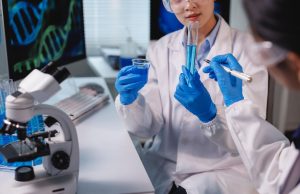
Modern forensic science relies on advanced tools and technology. Laboratories use microscopes, chemical analyzers, and DNA sequencing machines. Digital forensic experts use specialized software to recover and analyze data. Imaging technology helps reconstruct crime scenes in detail. These tools improve accuracy and allow investigators to handle complex cases. Technology continues to expand the capabilities of forensic science.
How forensic analysis is applied in criminal investigations
Linking suspects to crime scenes
One of the primary uses of forensic analysis is connecting suspects to crime scenes. This is done through physical, biological, or digital evidence. DNA, fingerprints, and trace materials all play a role in establishing presence. When multiple forms of evidence align, the connection becomes stronger.
Reconstructing crime events
Forensic analysis helps reconstruct the sequence of events during a crime. Investigators use evidence to determine timing, movement, and actions. This process creates a clearer picture of what likely happened. It helps fill gaps that cannot be explained by witnesses alone.
Supporting courtroom decisions
Forensic experts often provide testimony in court. Their findings help judges and juries understand complex scientific evidence. Clear and accurate reporting is essential. The strength of forensic evidence can significantly influence case outcomes.
Challenges in modern forensic science
Despite its strengths, forensic analysis faces several challenges. Evidence contamination is a major concern. Improper handling can compromise results. Human error and bias can also affect interpretation. Technology limitations may restrict analysis in certain cases. Legal and ethical issues must also be considered, especially when dealing with sensitive data. Maintaining objectivity is essential for reliable results.
Real-world importance of forensic analysis in solving cases
Forensic science plays a crucial role in solving real criminal cases. It has helped reopen cold cases that were unsolved for years. Advances in DNA technology have led to breakthroughs in older investigations. It also helps prevent wrongful convictions by providing clear evidence. In high-profile cases, forensic analysis often becomes the deciding factor in legal outcomes. Its impact on justice systems worldwide is significant and growing.
Future of forensic analysis and emerging trends
The future of forensic science is closely linked to technological innovation. Artificial intelligence is being used to analyze large datasets more efficiently. Machine learning helps identify patterns in evidence that humans might miss. DNA sequencing is becoming faster and more precise. Automation is improving laboratory efficiency. Smart surveillance systems may also integrate with forensic databases. These advancements will make investigations faster and more accurate.
Conclusion
Forensic analysis is a cornerstone of modern criminal justice. It transforms evidence into reliable information that supports fair decisions. By combining science and law, it strengthens investigations and reduces uncertainty. Although challenges exist, continuous technological progress is improving its effectiveness. In today’s world, forensic science is not just helpful but essential for achieving justice in complex criminal cases.